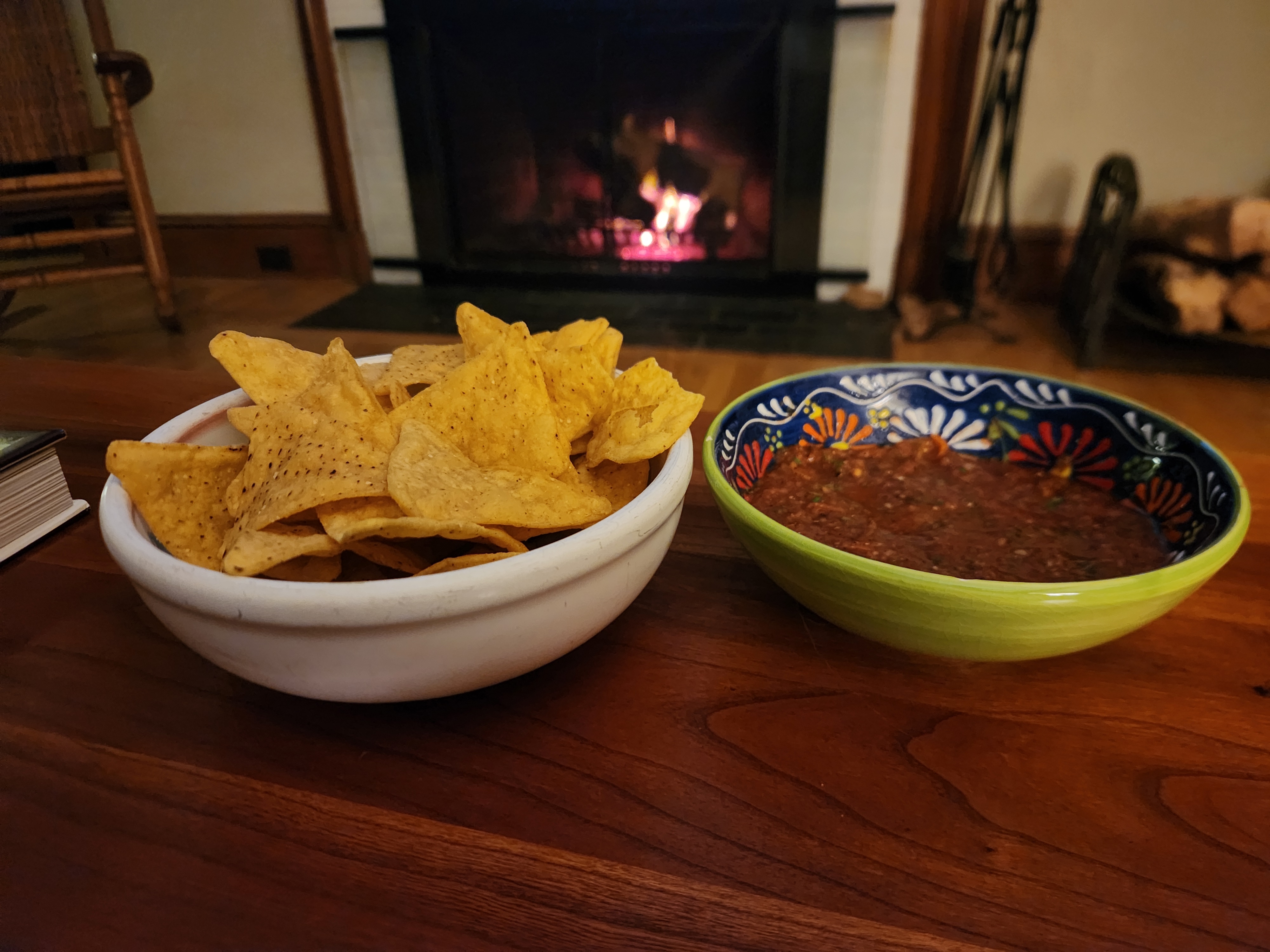
This recipe is not my best, nor my favorite, it’s not even a recipe that I have ever used at any restaurant that I’ve owned or worked in.
It’s my #1 because it’s the one that I have made and still make the most, almost every week, sometimes twice a week. There is never a long period of time in which I go without making this recipe and I eat at least 80% of it myself. My daughter tells me that I am addicted, I am not denying her.
This recipe is based on a recipe that I got from my good friend and brother-in-law Dan. I have adapted it into my own, trying different variations, liking most of them. However, I have settled on the variation I like best.
Dan found this recipe online about 25 years ago, it is called “Restaurant Style Salsa”. It is very simple to make, as is my version, really just chop a bunch of ingredients in a food processer for less than a minute and your done.
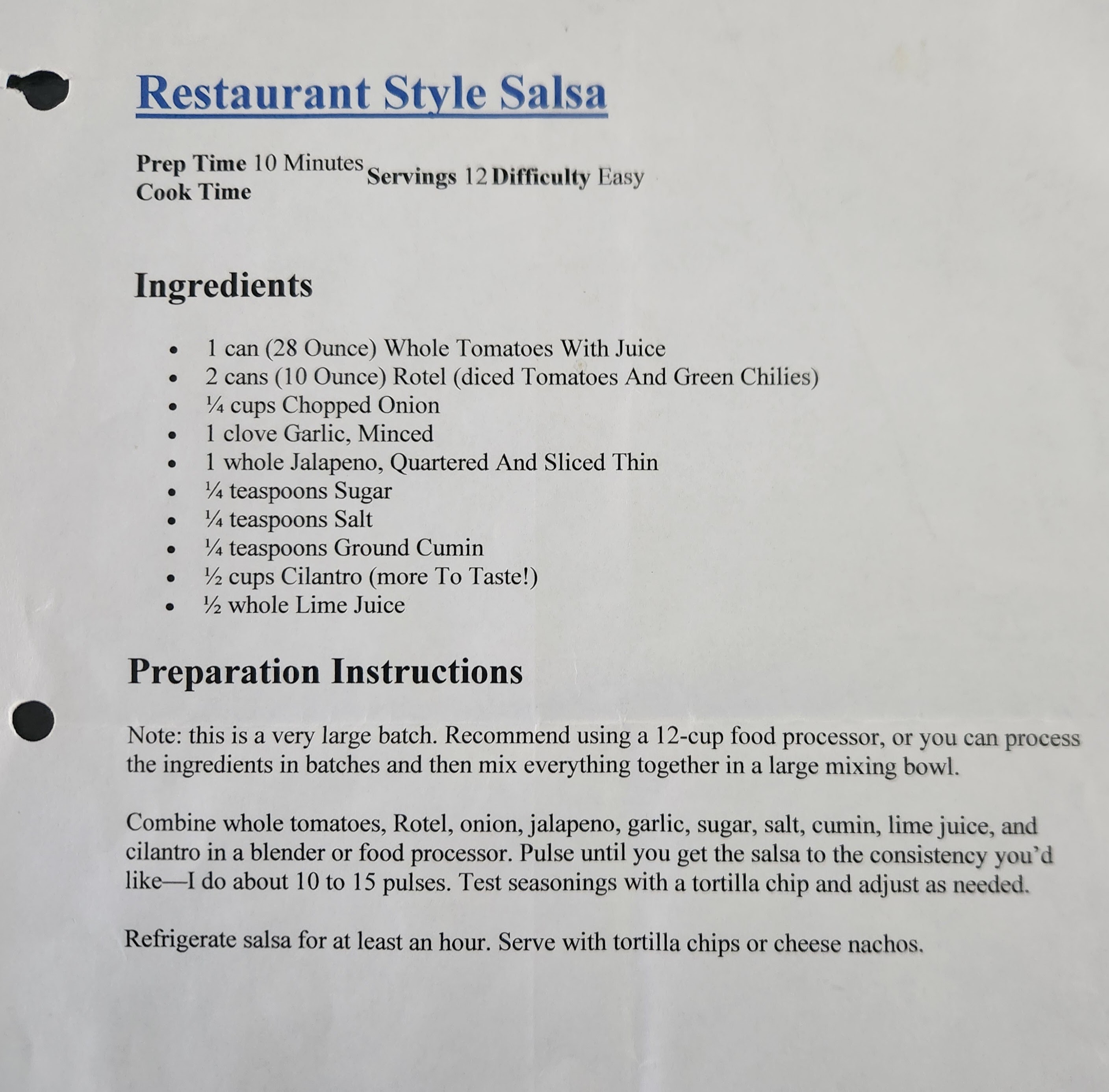
I’ve tried substituting canned fire roasted tomatoes for the canned whole peeled tomatoes, which totally changed the salsa, giving it a strong roasted somewhat smoky flavor, which is nice for a change. I’ve even done half fire roasted and half not, also good.
Another time or two I have substituted chipotle pepper (canned in adobo sauce) for the jalapeno; the chipotles added some nice leathery smoke. If used in a batch that also contained the fire roasted tomatoes the chipotles brought the salsa to another level; very good, but still not my favorite variation.
In addition to those substitutions, I have, at times tried adding grilled/roasted peppers, roasted garlic and/or grilled/caramelized onions to this recipe and it’s top-notch. However, the recipe goes from whirling some stuff in a food processor to having to grill, roast and caramelize. Which can be time consuming endeavors. However, if I were to have one or more of these ingredients ready to go in my fridge, I’d add some, though I probably wouldn’t prep them specifically for this salsa recipe.
The brand of tomatoes also makes a difference, be sure not to use tomatoes packed with basil or San Marzano tomatoes; some brands are packed with heavy puree, don’t use these either, the results are too tomatoey and too thick. One of my favorite brands, especially because it’s local, is Pastene, I don’t use it for my salsa though, it falls under the too tomatoey and too thick category. I do, however, use Pastene for Italian style tomato sauces. I’ve found that the cheap store brands of whole peeled tomatoes, organic or not, are usually best for this recipe.
For me I want to be able to make, and clean up after making this recipe in less than 10 minutes. This is more than doable, I’ve done it in less than 7, and yes I have timed myself.
My “go to” version of this recipe is the recipe that Dan gave me all pumped up. I double the amount of onion and garlic called for in the original recipe. I’ve also at least quadrupled the amounts of all of the spices. And I’ve also added a few ingredients to my version including a very generous amount of freshly ground black pepper, some finely grated carrot, which I love in this recipe, it adds color, texture, sweetness and earthy carrot-ness. On top of that I’ve also added smoked paprika, this adds some deep background smokiness without overpowering the other ingredients.
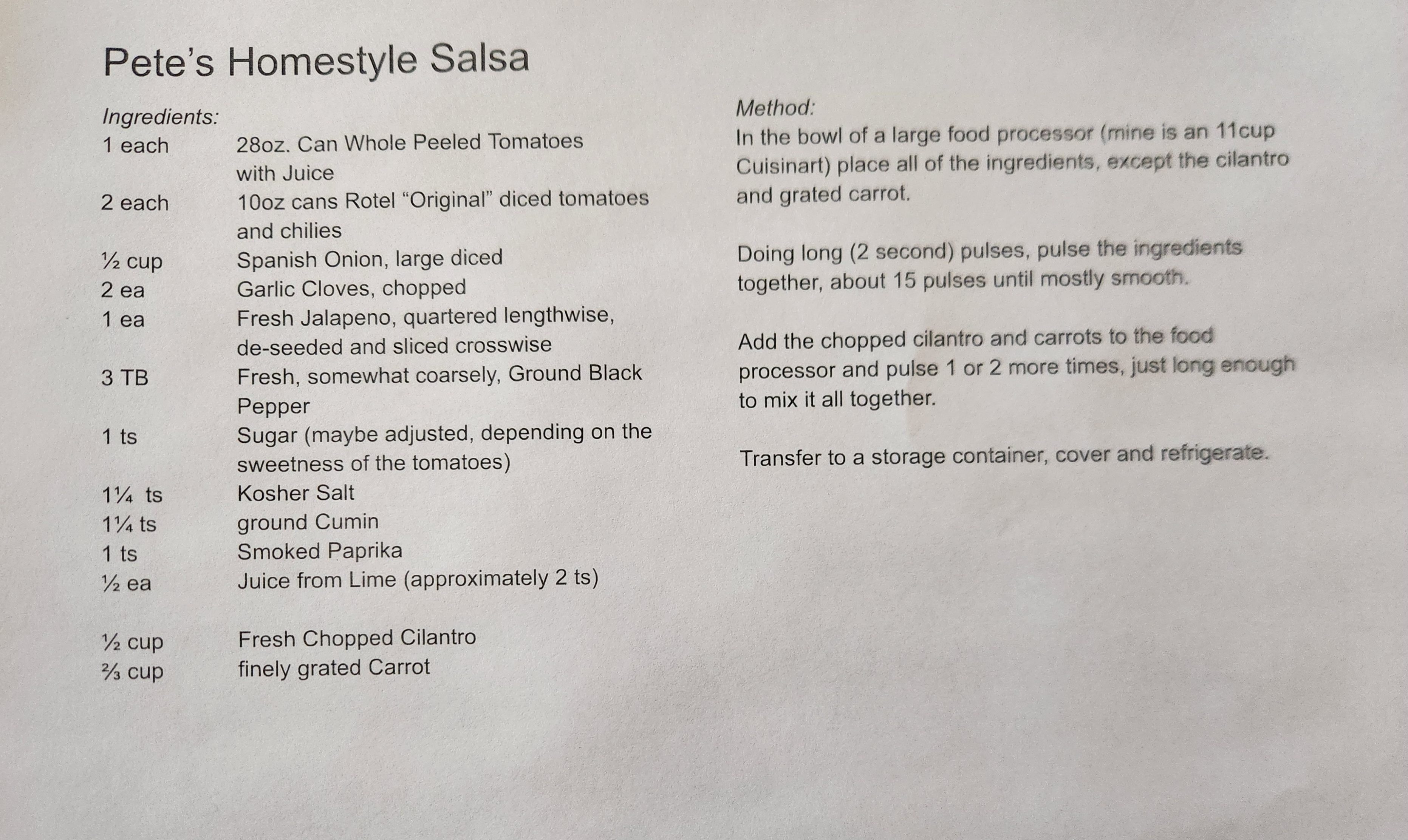
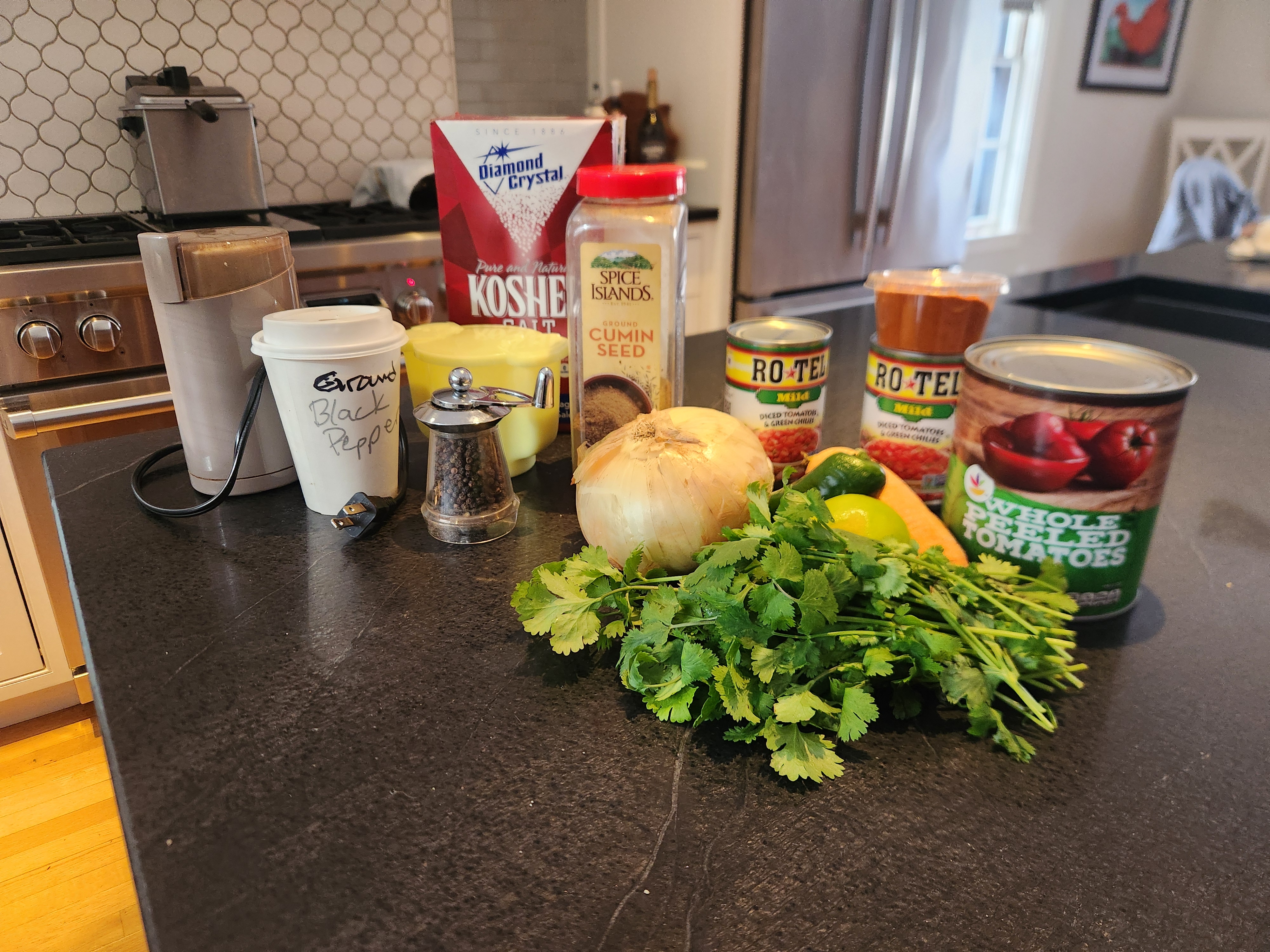
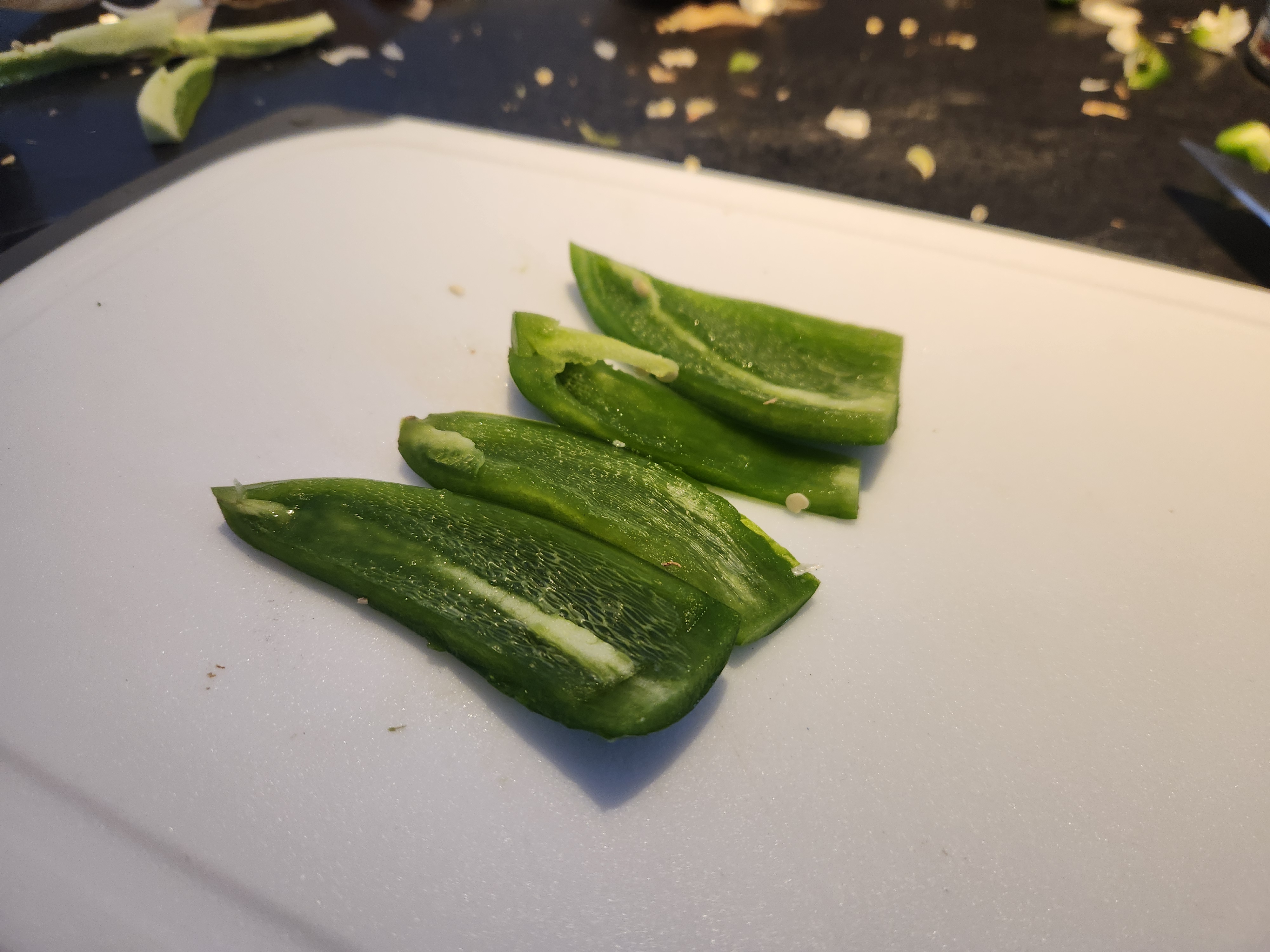
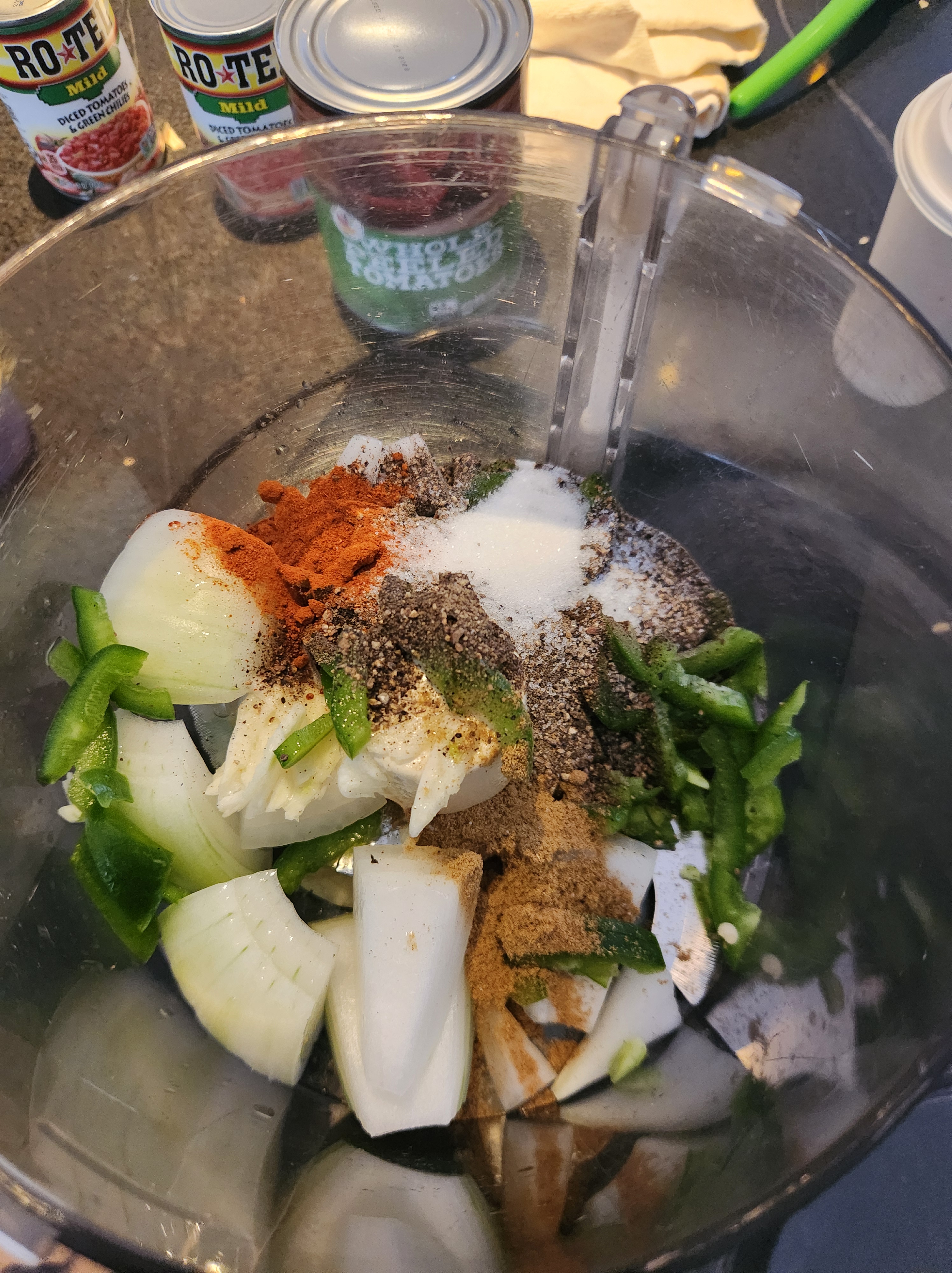
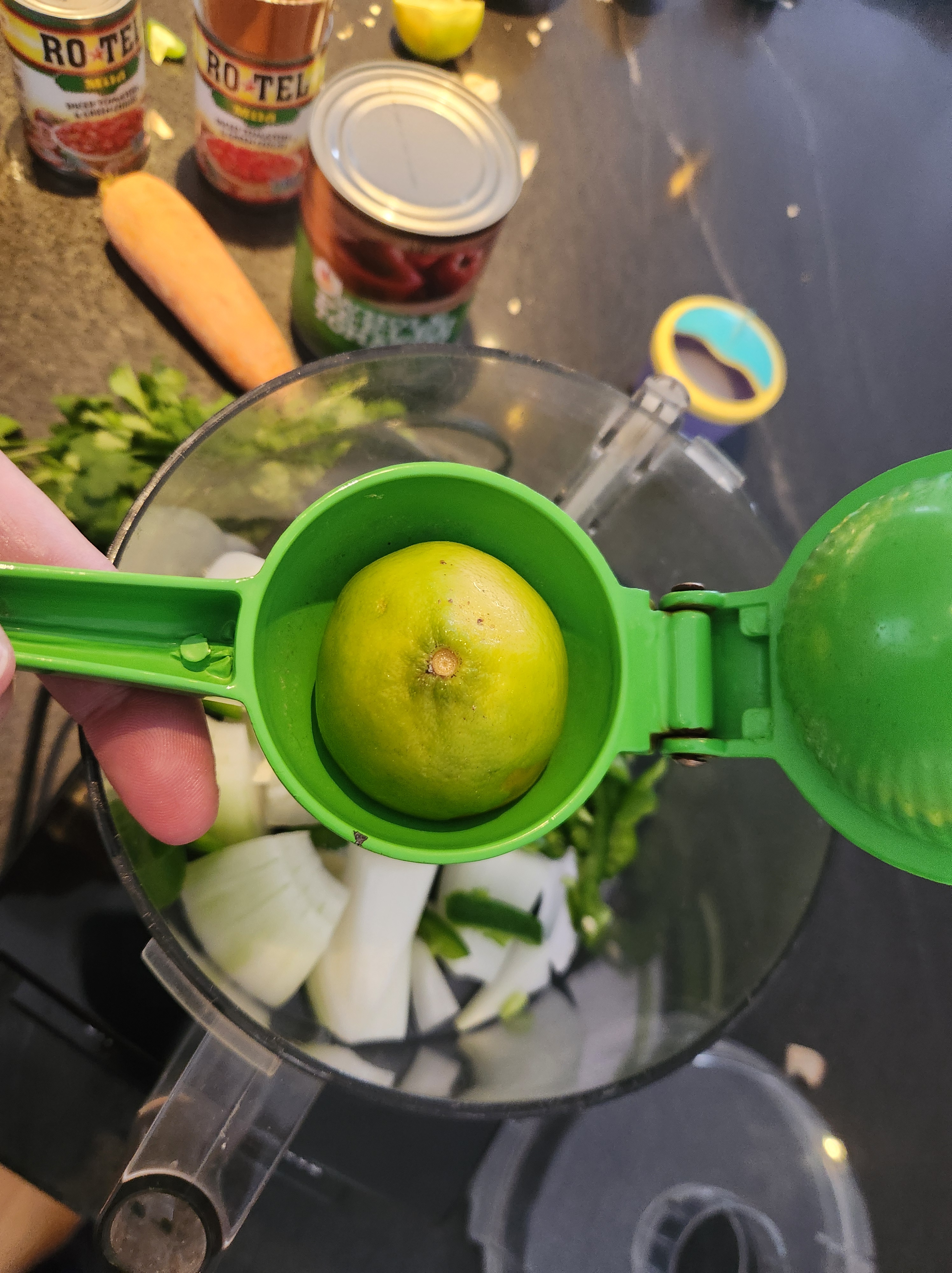
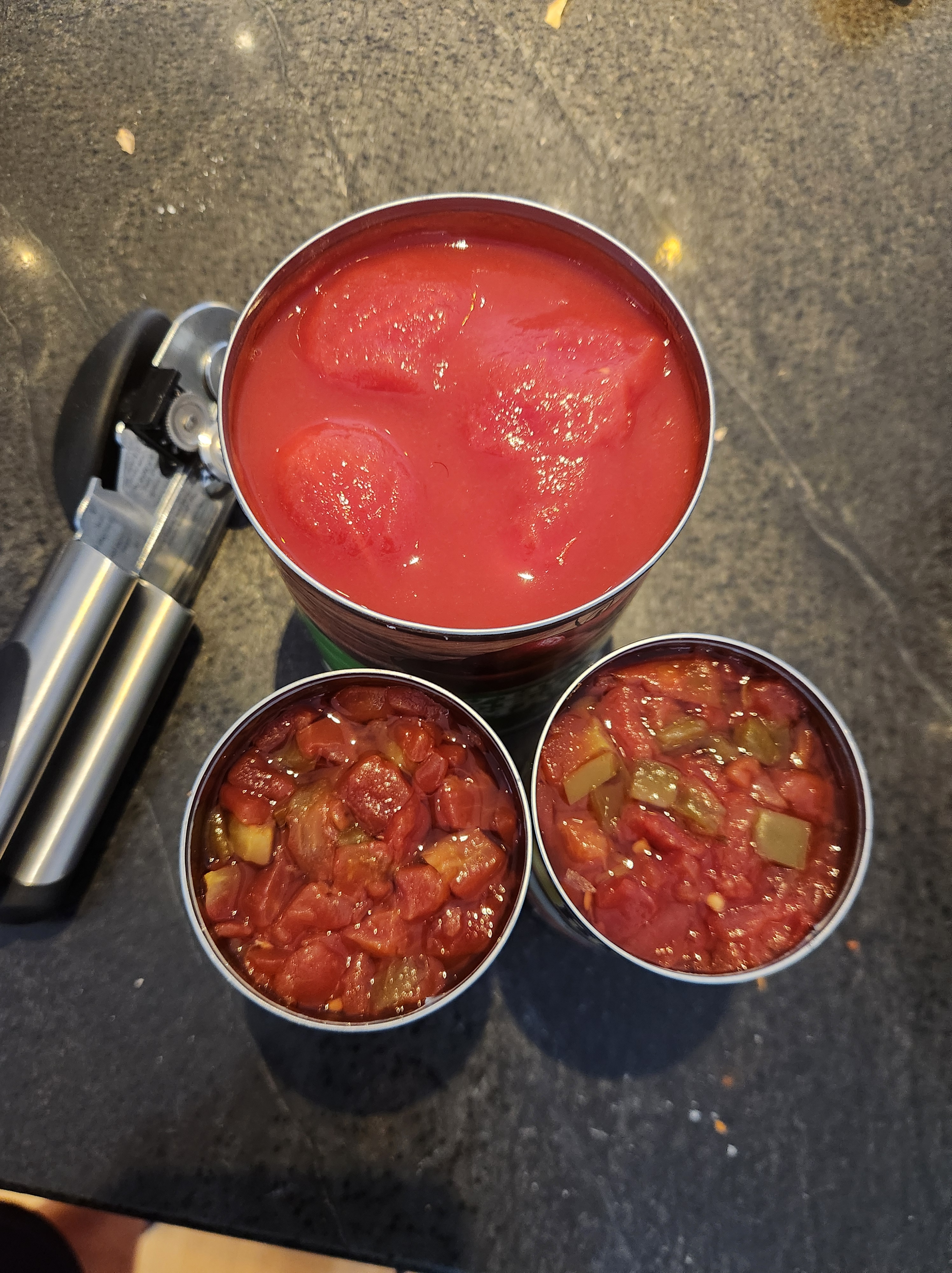
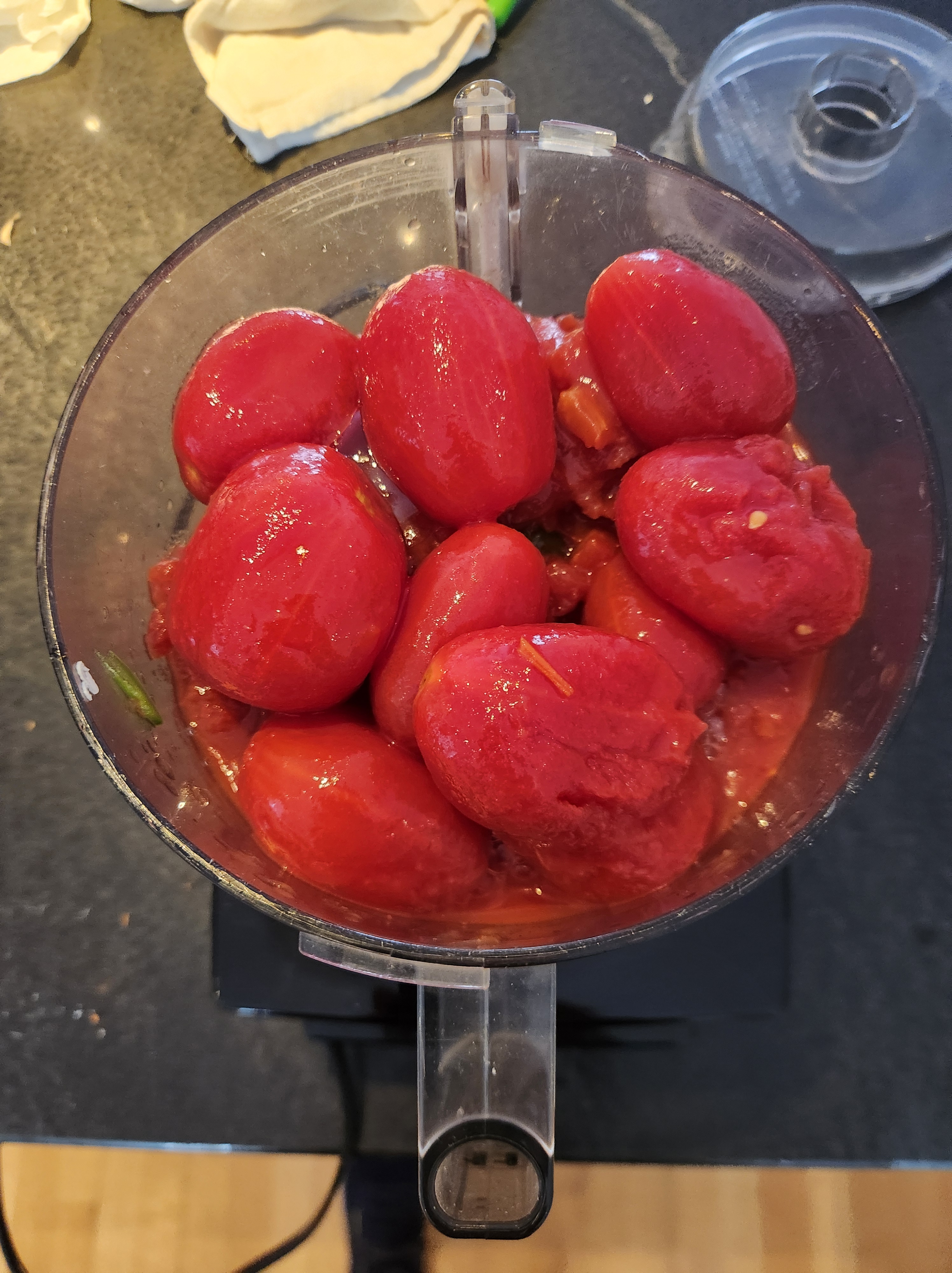
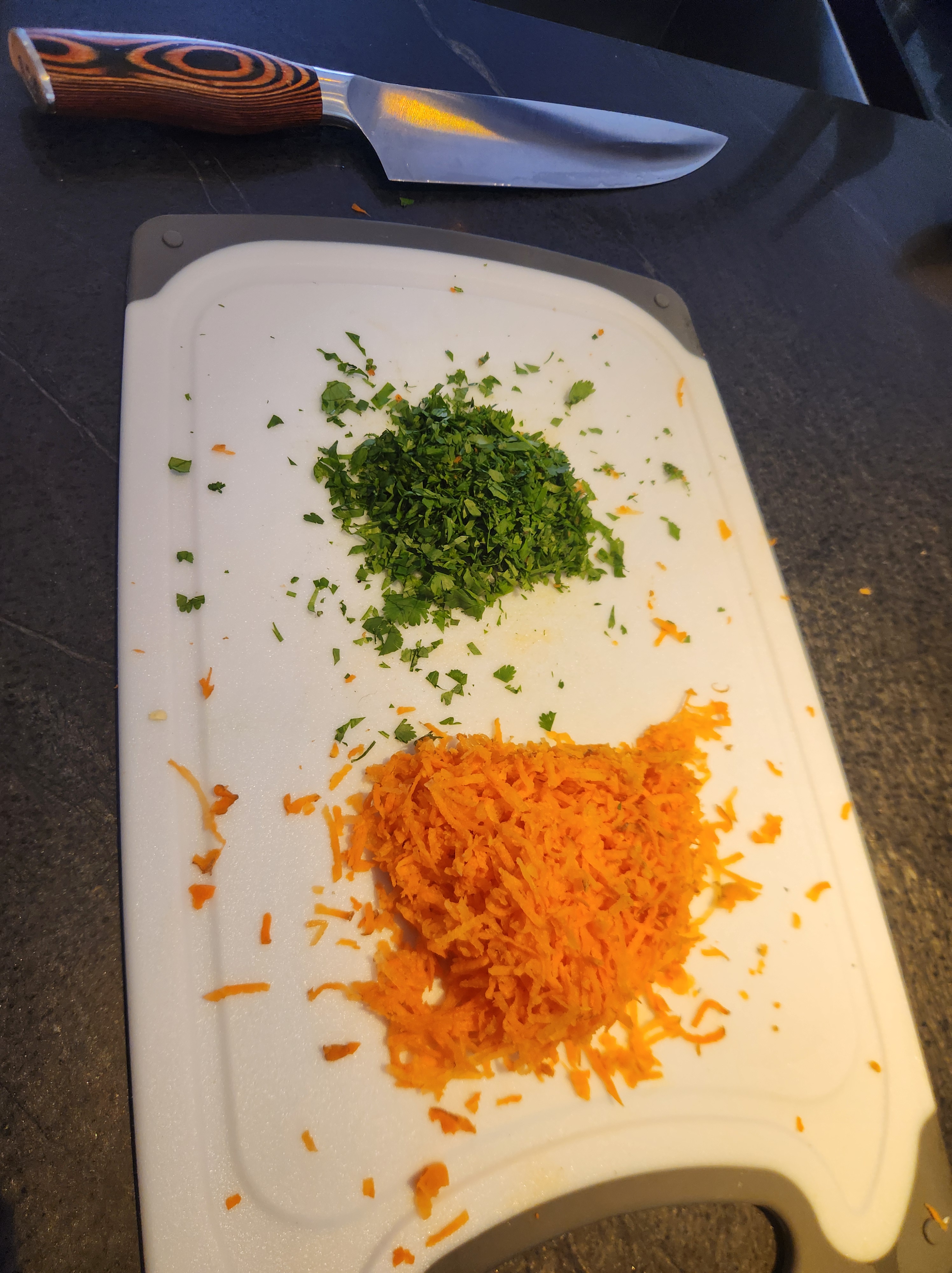
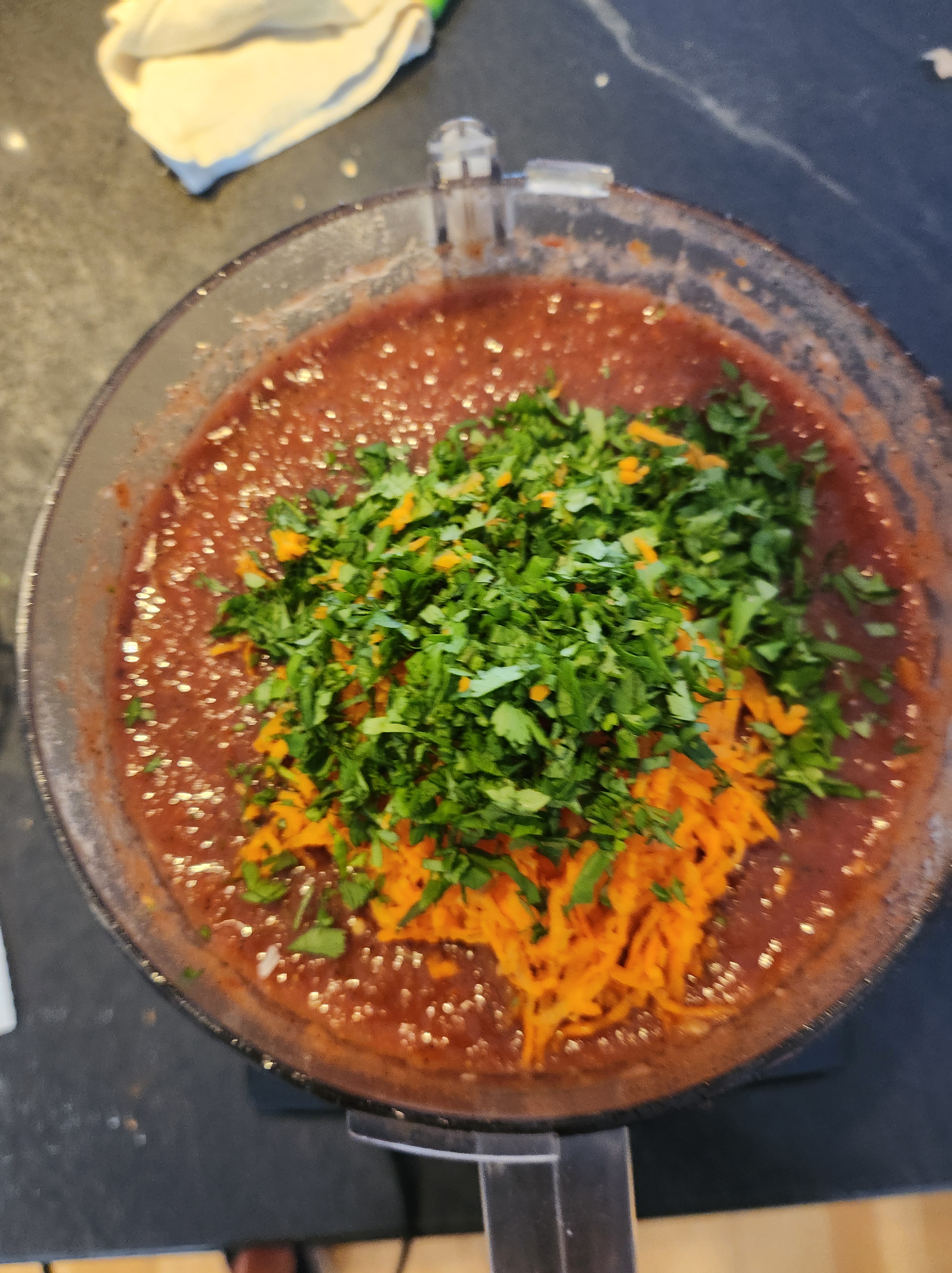
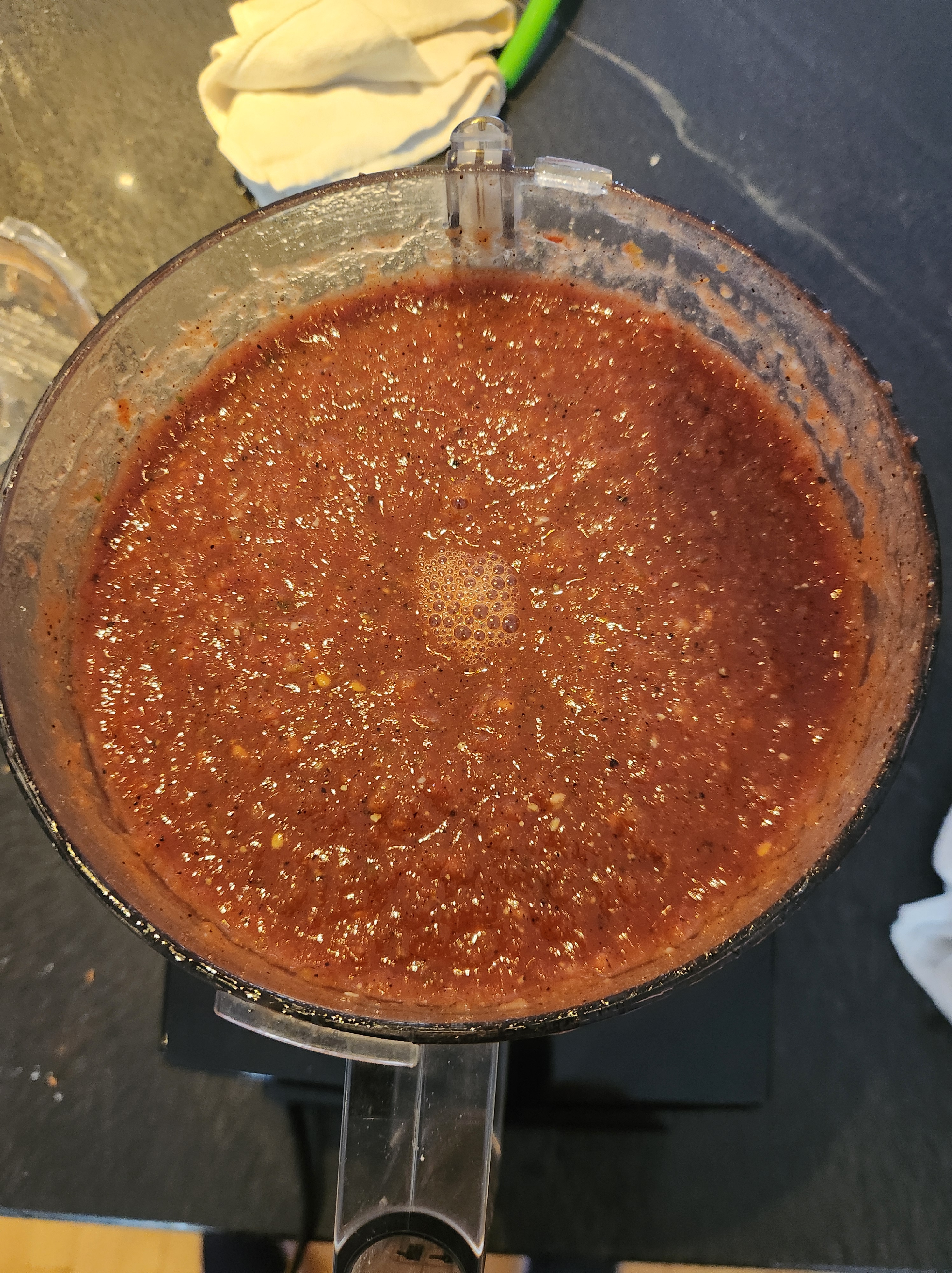
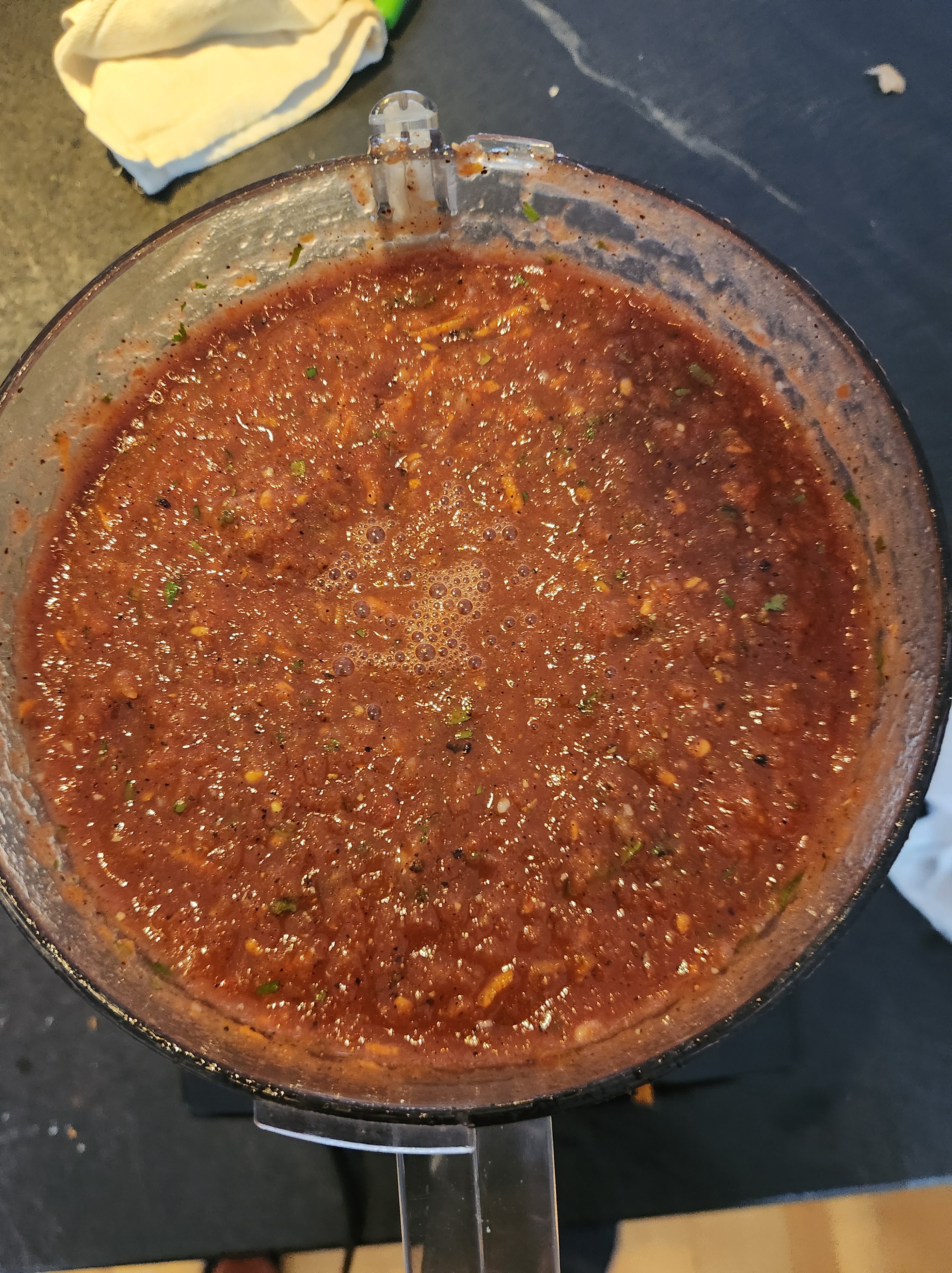
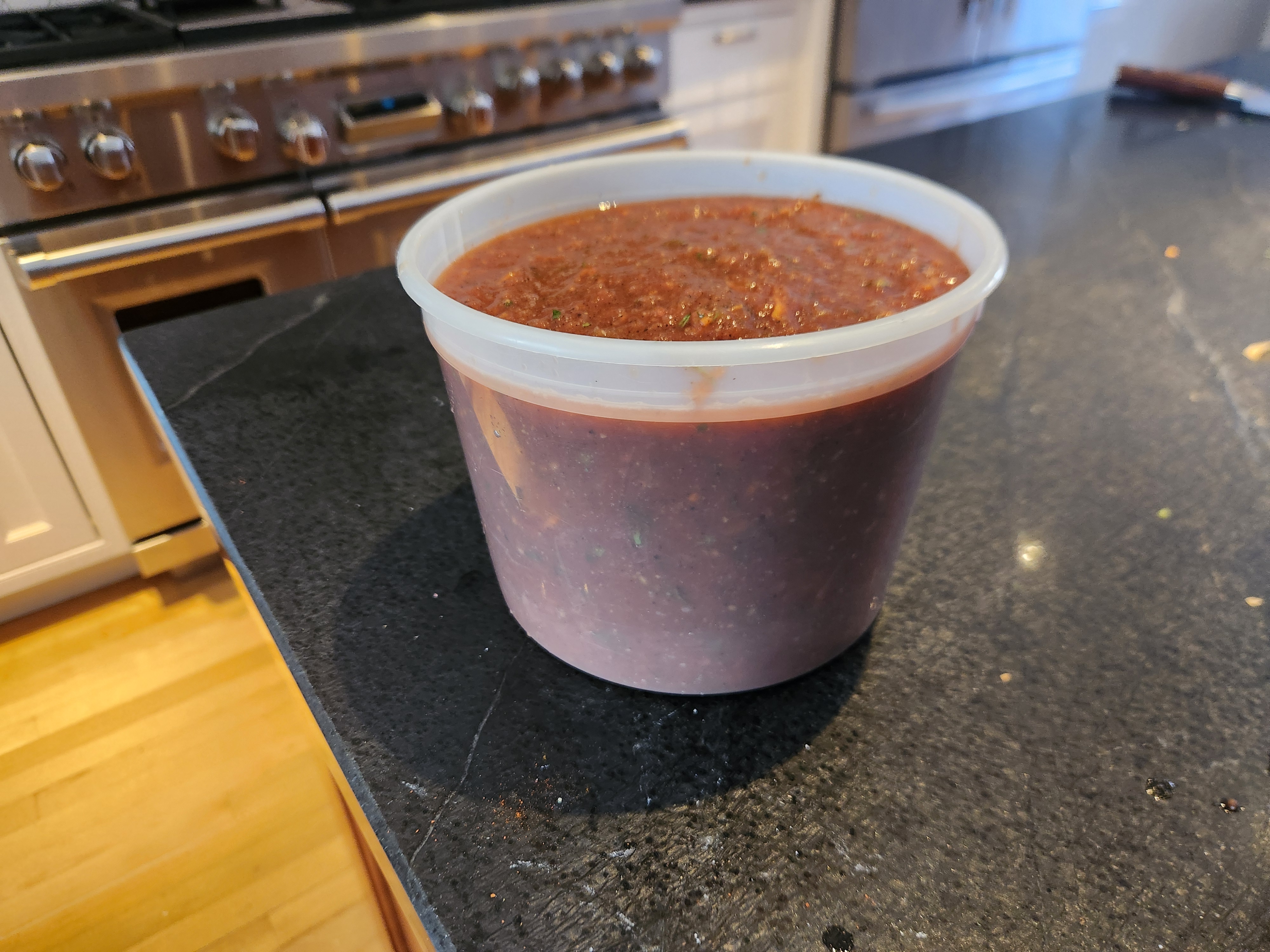
Whether you follow Dan’s “Restaurant Style” or my pumped-up version, the end result will be far superior to any store bought national brand salsa. I find most of them to be too sweet, too cooked, too starchy, too mushy, too cloying and lacking in texture as well as depth of flavor. Overall I think they kind of suck.
Don’t limit your taste enjoyment of this salsa to just a dip for corn chips. It also is great baked with flakey white fish such as cod, haddock, hake or pollack. All you have to do is generously slather the fish with the salsa and bake in a 375 degree oven until the fish is cooked through; depending on the thickness of the fish it could be as quick as 5 minutes or as long as 15 minutes.
It’s also great as a sauce for grilled chicken or pork; I have been known to spoon on top of cooked white rice. It’s a delicious, easy to make addition to anyone’s culinary repertoire.


 Pete's Blog